
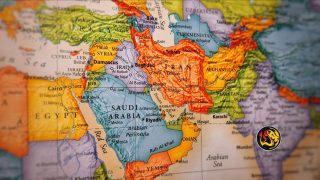
The U.S.-organized meeting brought Israel together with seven Arab nations as concern grows over Iran, regional missile threats and Houthi aggression.
by Emmitt Barry, Worthy News Washington D.C. Bureau Chief
(Worthy News) – Senior military commanders from Israel, the United States and seven Arab nations met privately in Germany last week to discuss Iran and the widening security crisis across the Middle East, according to reports published Tuesday.
The gathering placed IDF Chief of Staff Lt. Gen. Eyal Zamir in the same room as the military chiefs of Saudi Arabia, the United Arab Emirates, Bahrain, Kuwait, Qatar, Jordan and Egypt.
Adm. Brad Cooper, commander of U.S. Central Command, organized the conference. None of the participating governments initially announced the meeting, underscoring the political sensitivity surrounding direct security cooperation between Israel and Arab states that do not have formal diplomatic relations with Jerusalem.
CENTCOM later confirmed that it hosted senior military leaders from eight countries during a scheduled conference in Germany. The command said the participants discussed opportunities to strengthen security cooperation in the Middle East.
The meeting was not merely ceremonial. Zamir reportedly briefed the assembled commanders on Israeli military operations across several fronts during the previous six months. Cooper, meanwhile, assured the participants that the United States did not intend to withdraw its forces from the region despite Iranian attacks on American bases.
The American commander also presented plans for expanding commercial shipping through the Strait of Hormuz, the vital maritime passage through which a significant portion of the world’s energy supplies travels.
Cooperation Behind Closed Doors
Similar meetings have occurred before, but this was reportedly the first since the latest war with Iran began more than six months ago.
That distinction matters. The talks offered military leaders from Israel and several Arab states a rare opportunity to compare assessments, examine shared dangers and consider how their forces might respond to threats that disregard national borders.
Publicly, relations between Israel and some Arab governments remain strained. Behind closed doors, however, Iran’s missiles, drones and regional allies have created a common security challenge that cannot be dismissed by rhetoric.
The Abraham Accords opened formal relations between Israel, the UAE and Bahrain. Israel’s subsequent transfer into CENTCOM’s area of responsibility also established a practical American framework for cooperation in air defense, intelligence sharing and regional security planning.
The latest conference suggests that framework remains intact—and may be growing more important as the region becomes more dangerous.
Related pillar page: Iran’s Regional Network and the New Middle East Security Architecture
Houthi Threat Adds Urgency
The meeting also came as Iran-backed Houthi forces intensified attacks against Saudi Arabia and strengthened their position around the Bab el-Mandeb Strait, another crucial shipping route connecting the Red Sea with the Gulf of Aden.
Israel and Saudi Arabia are reportedly exploring, with CENTCOM’s assistance, ways Israel could support Saudi operations against the Houthis. Possible assistance could include intelligence, surveillance and reconnaissance support similar to help Israel has provided to the UAE.
Any such cooperation would carry considerable political weight. Saudi Arabia does not have formal diplomatic relations with Israel, while Qatar has frequently occupied a complicated position in regional diplomacy. Yet military leaders from both countries reportedly sat with Israel’s chief of staff to confront dangers emanating from Iran and its allies.
This does not amount to a public alliance, and it should not be portrayed as one. Deep disagreements remain, and the participating governments have not disclosed what commitments—if any—were made.
Still, the gathering reflects a reality that official statements often obscure: Iran’s aggression has steadily pushed Israel and several Arab states toward quiet cooperation. Nations with different histories and interests increasingly recognize that regional stability depends upon credible deterrence, shared intelligence, and the willingness to defend innocent life against missiles, drones, and terrorism.
Diplomacy has its proper place, but peace cannot rest on wishful thinking. It requires leaders willing to see danger clearly and governments prepared to stand against it.
Copyright 1999-2026 Worthy News. This article was originally published on Worthy News and was reproduced with permission.